The real steps, the real licensing, and the real cost — not the hobbyist version.
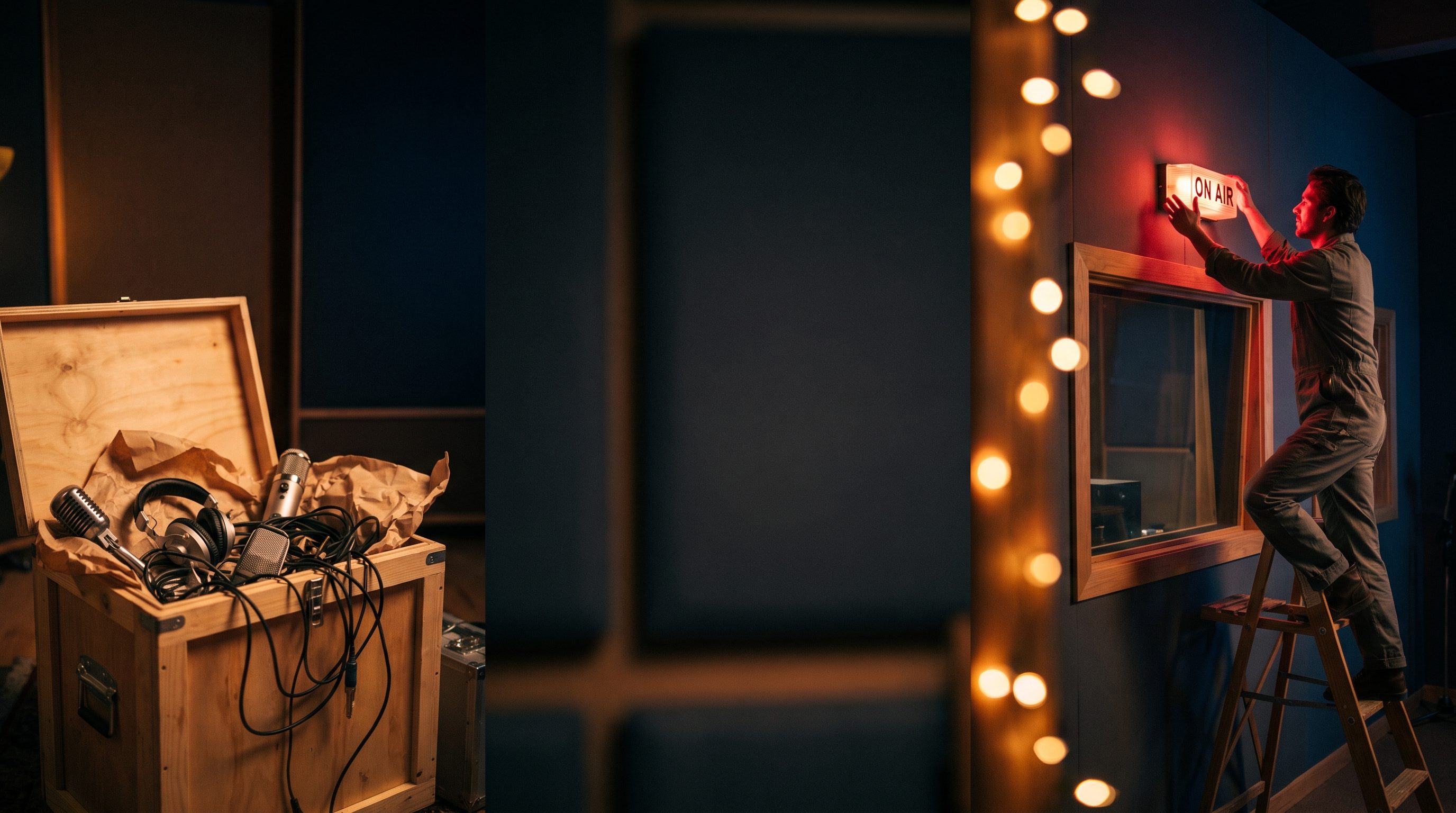
Starting an internet radio station is cheaper and faster than getting an FCC license, but "cheap and fast" still has real steps. Here's what actually has to happen, in order, as of October 2026.
An internet station can be a 24/7 automated music stream, a live show a few hours a day with automation filling the rest, or a full-blown talk/variety station with a schedule. The answer changes almost everything downstream: how much you'll pay in music royalties, how much automation you need, and whether you need live-assist tools or just reliable unattended playout. Decide this first.
This is the step most hobby streams skip, and the one that gets stations shut down. In the US, a non-interactive internet stream playing commercial recordings needs:
If you're running syndicated shows or buying production libraries, check whether those rights are already cleared in the deal (RadioForge's own ProductionForge and SyndiForge content is cleared for the station). If you're building a talk-only station with original content and no commercial music, this step mostly disappears.
This is the software that actually runs your station: scheduling, rotation, live-assist, and keeping the stream up 24/7 without someone babysitting it. The two real paths:
If nobody's live and it's 100% automated music, skip this. If you want DJ voice tracks or live shows, you need a way for talent to record remotely without being in a physical studio. See the remote voice tracking guide for the three workflows stations actually use.
A stream with no website is invisible. At minimum you need a listen-live page; most stations also want a now-playing widget, a mobile-friendly site, and ideally an installable app so listeners don't have to re-find you every time. See WebForge for a built-and-managed option, or the WebForge vs Media Realm comparison if you're also looking at WordPress-based builders.
Rough, real ranges as of October 2026:
Almost every new station's first week on air reveals gaps in the schedule — dead air at shift changes, a rotation that repeats too fast, a daypart nobody's watching. Budget time in week one to just listen to your own station end to end and fix what's broken before you promote it hard.
See New Launches for infrastructure built for a station starting from zero, or book a walkthrough.